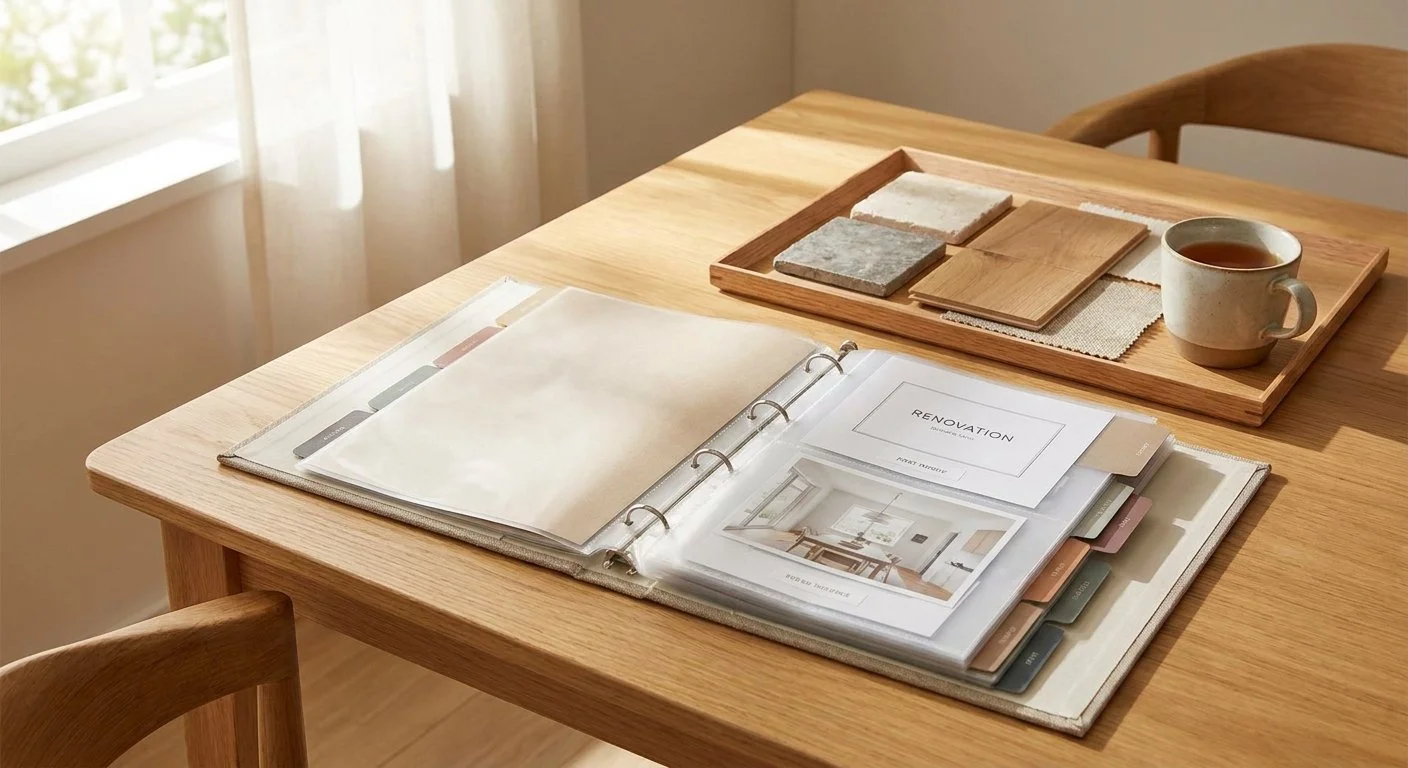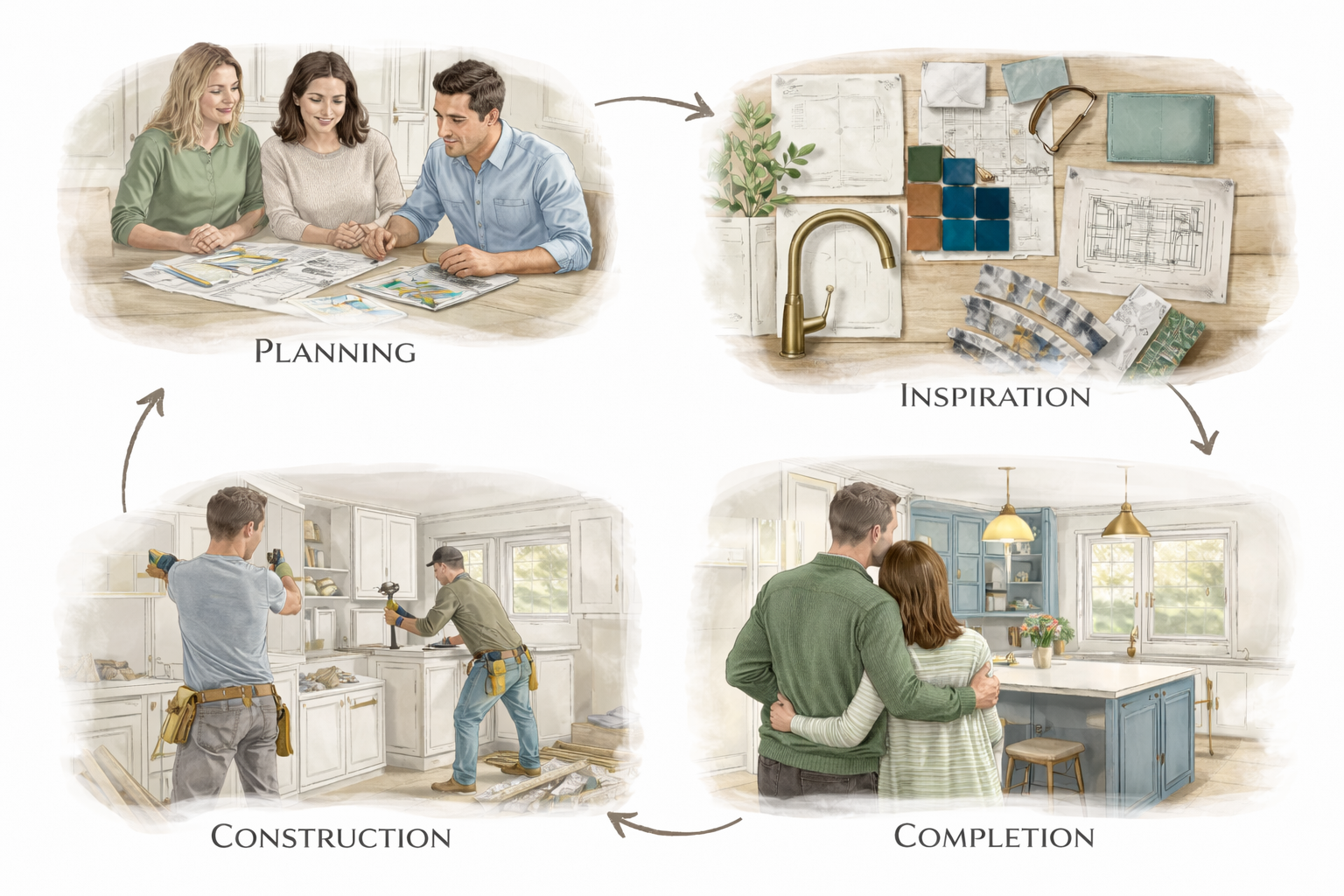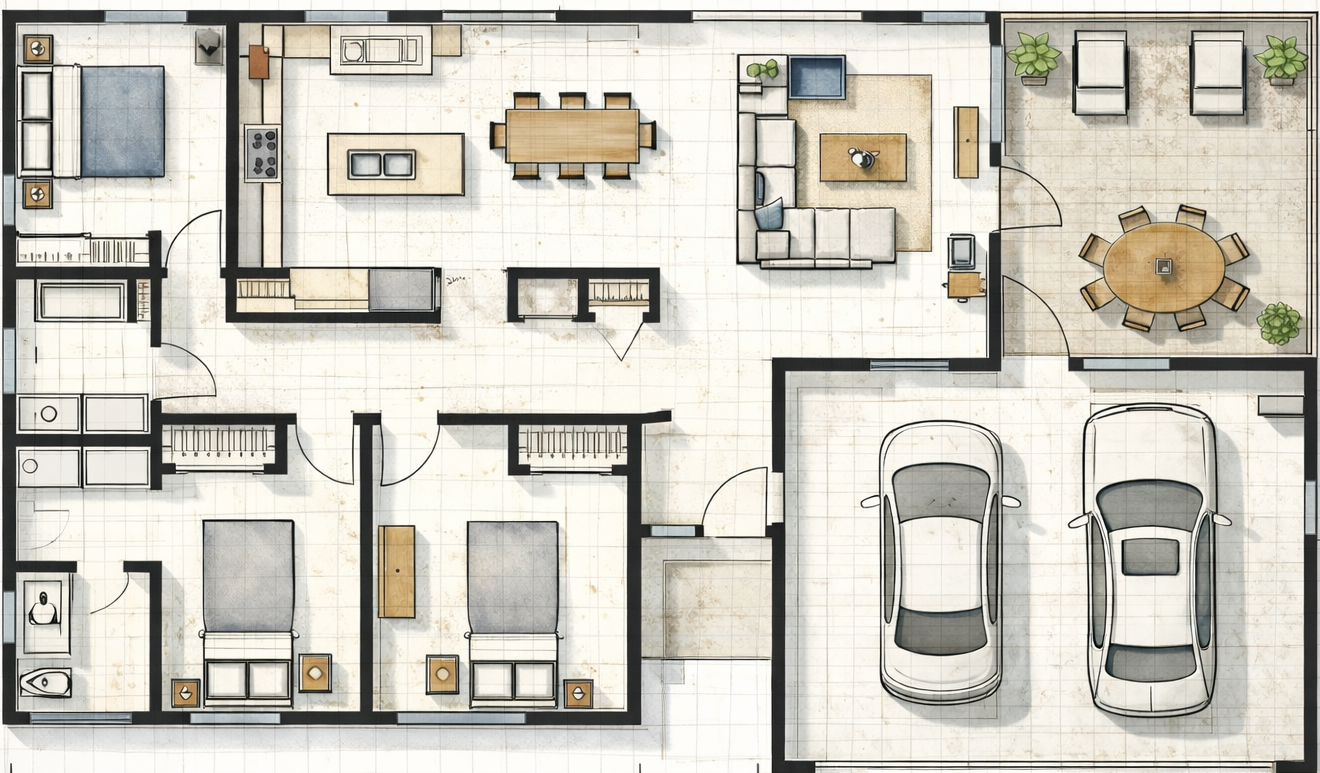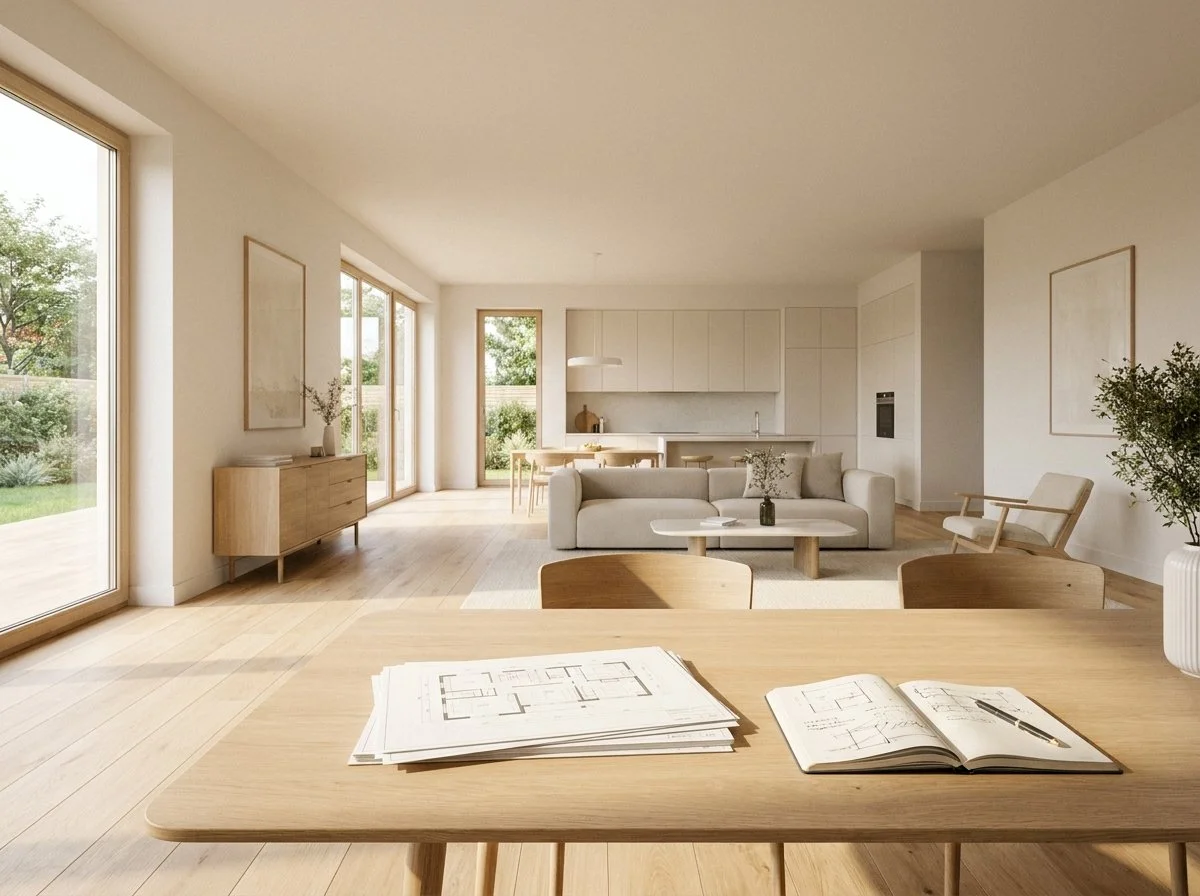
Want a renovation that stays aligned with your goals? Start with clarity. This post breaks down what to define before you call a contractor
Read More
Want a renovation that stays aligned with your goals? Start with clarity. This post breaks down what to define before you call a contractor
Read MoreWhen one choice gets delayed, it doesn’t disappear; it ripples into every other trade, every timeline, and eventually your budget. This article breaks down the hidden financial and emotional cost of postponing decisions.
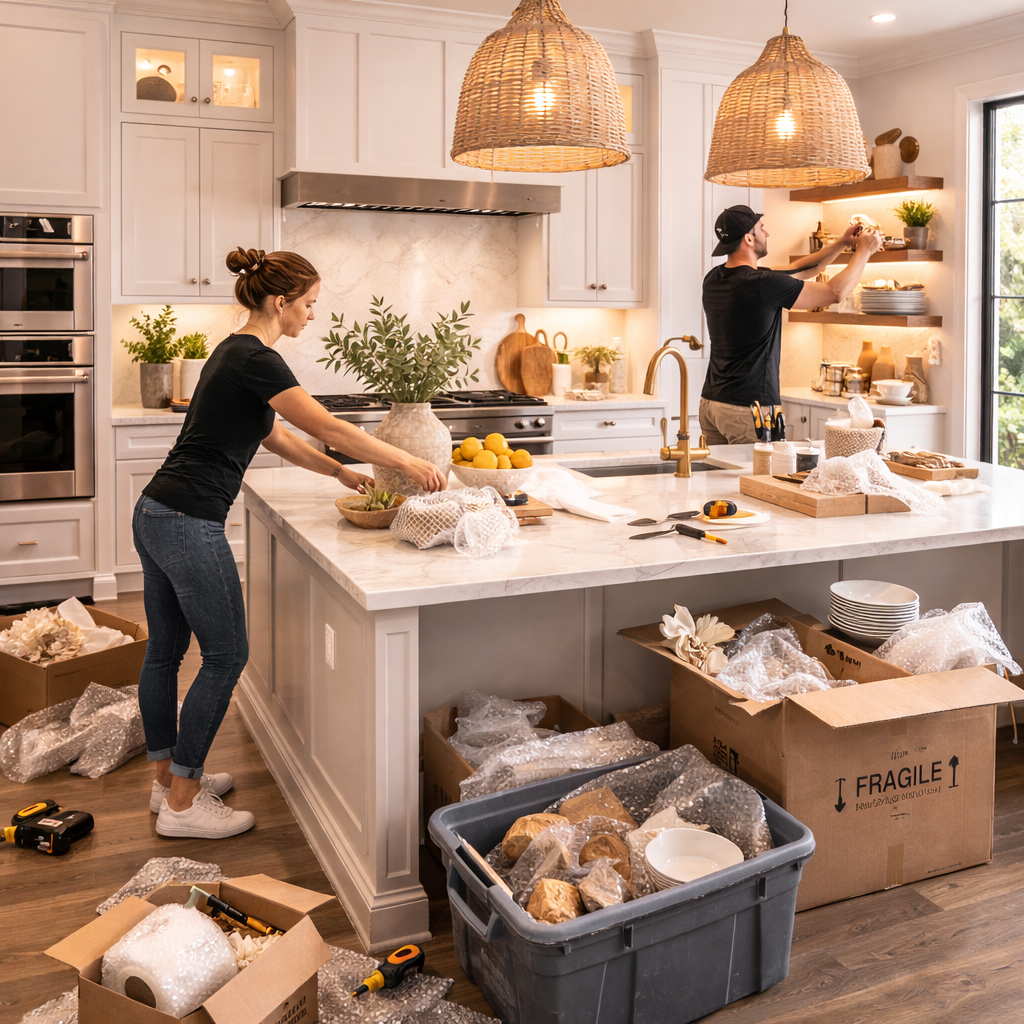
Read MoreA renovation doesn’t get overwhelming during construction—it gets overwhelming when the decisions pile up without a plan. Start with how you want to live in the space, and everything falls into sequence.
Read MoreA product is not just an object, it is a design decision. From materials and proportions to installation logic and lifecycle thinking, every detail reveals intent. This essay explores how designers can read products structurally, not just visually.
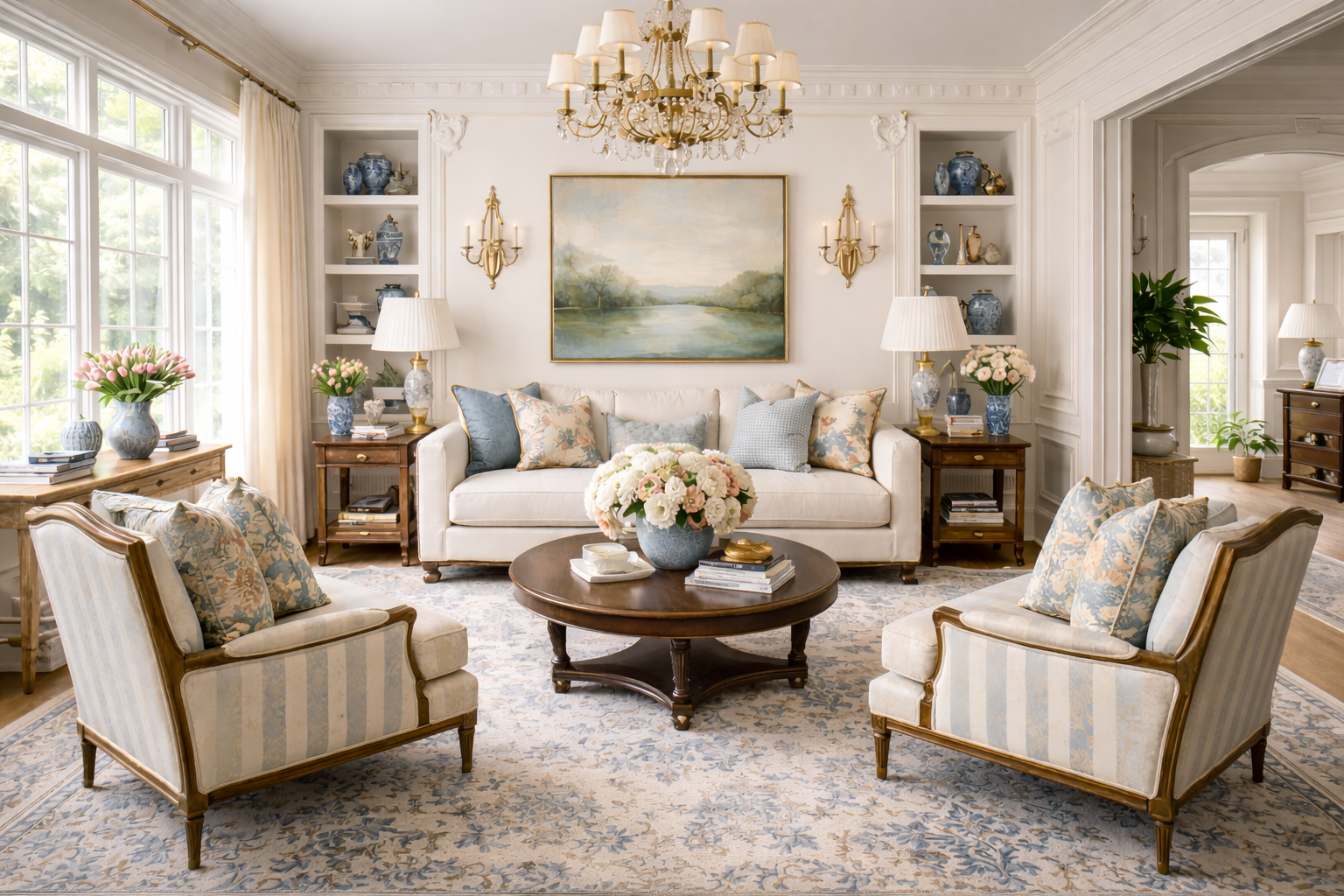
Read MoreThere was nothing technically wrong with the room. It was elegant, balanced, and perfectly styled. And yet, no one stayed. Here’s why some spaces succeed visually but fail humanly.
Read MoreBefore we talk about finishes, we need to talk about decisions. Design is not decoration, it is decision making and results from it.
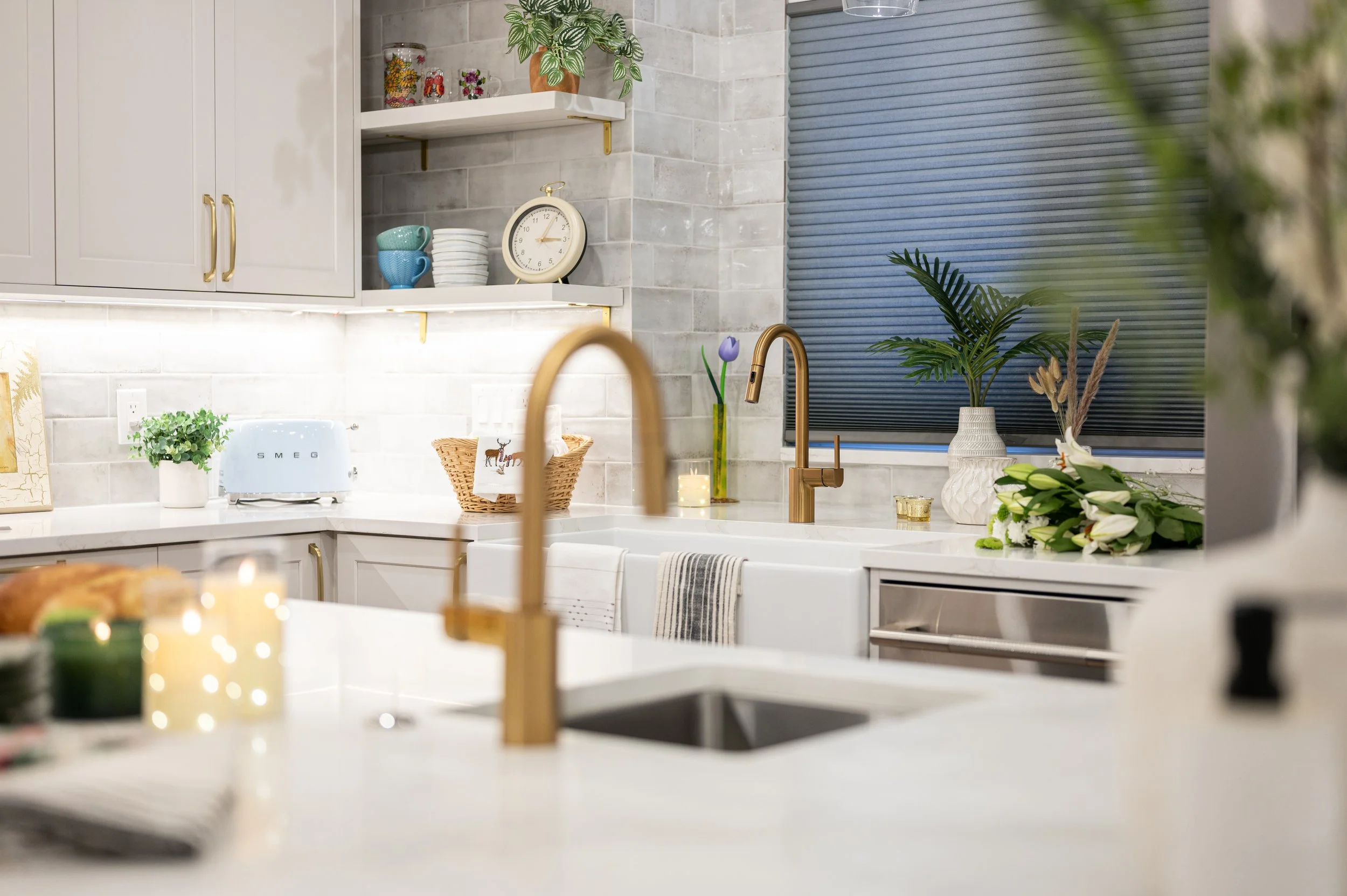
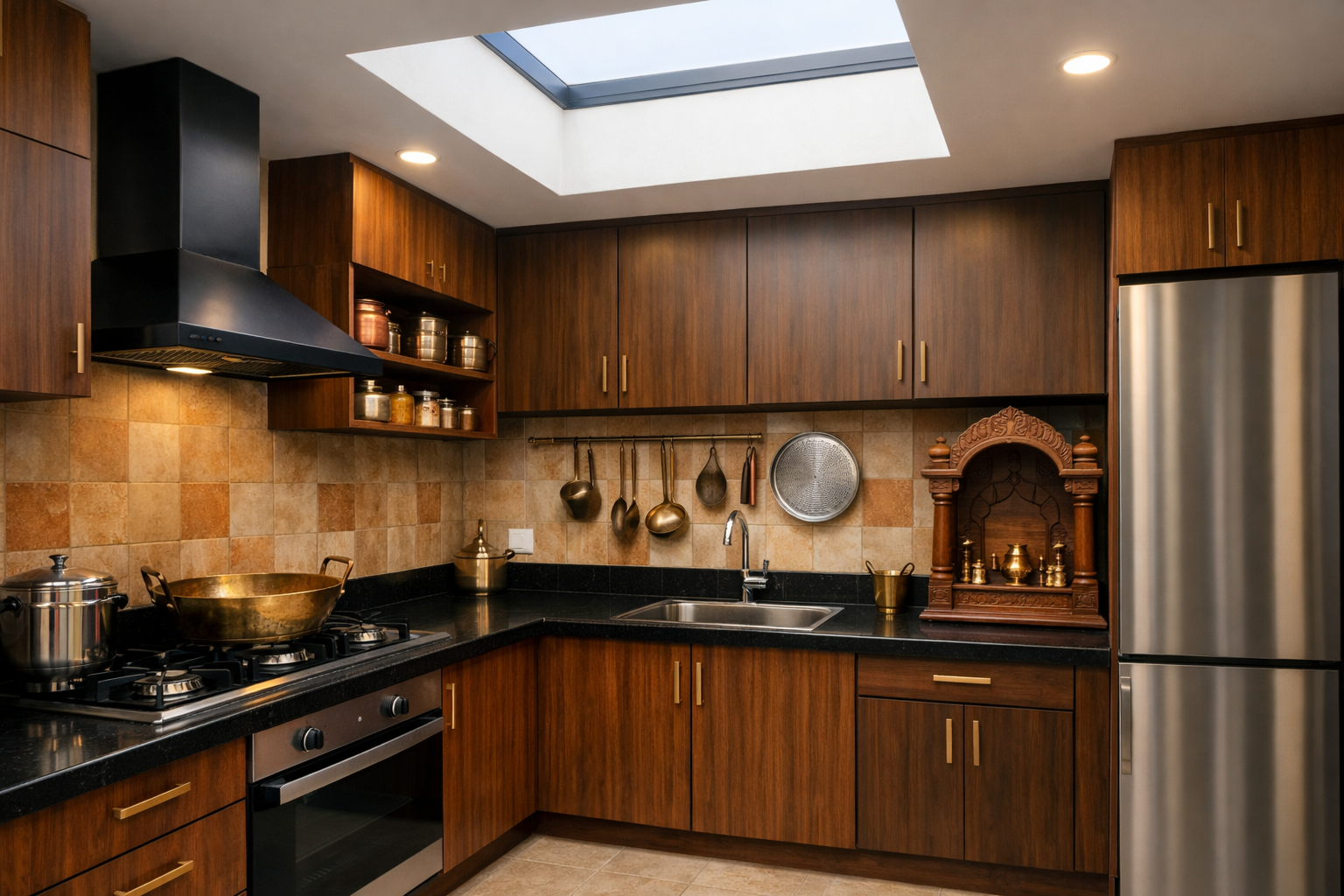
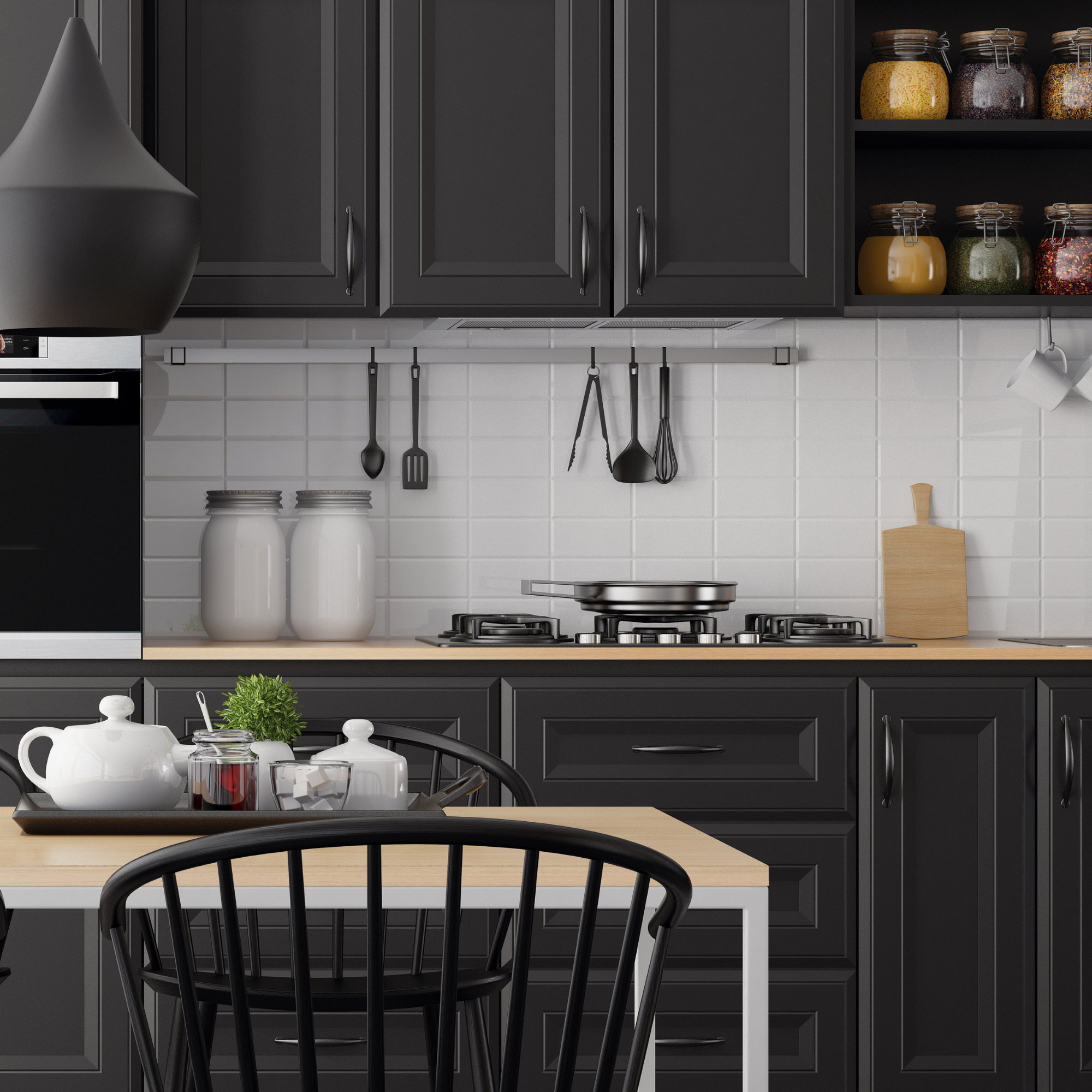
Read MoreKitchens carry more than appliances and cabinetry. They carry memory, hierarchy, ritual, and migration encoded quietly in layout and daily use.
Read MoreDesign decisions do not announce themselves. They settle into daily routines, shaping how we move, gather, pause, and become who we are inside the spaces we inhabit.
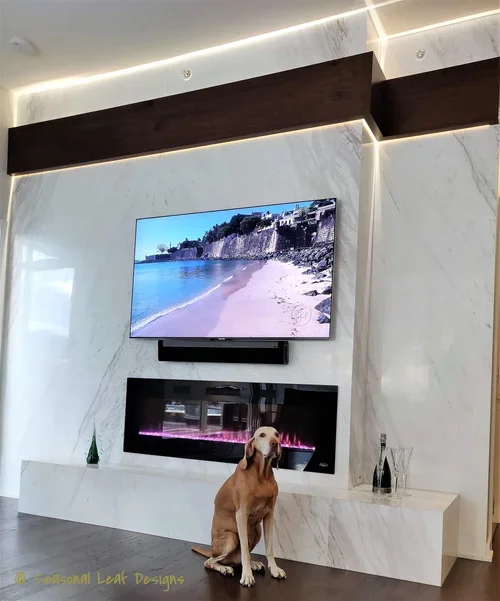
Read MoreThis modern penthouse offered soaring height, natural light, and urban views buyers expect, yet the living room felt visually unresolved and architecturally undefined.
Read MoreThe design industry is not short on talent. It is short on structured visibility. Much of our strongest work dissolves into the feed. Here’s why that matters, and what must change.
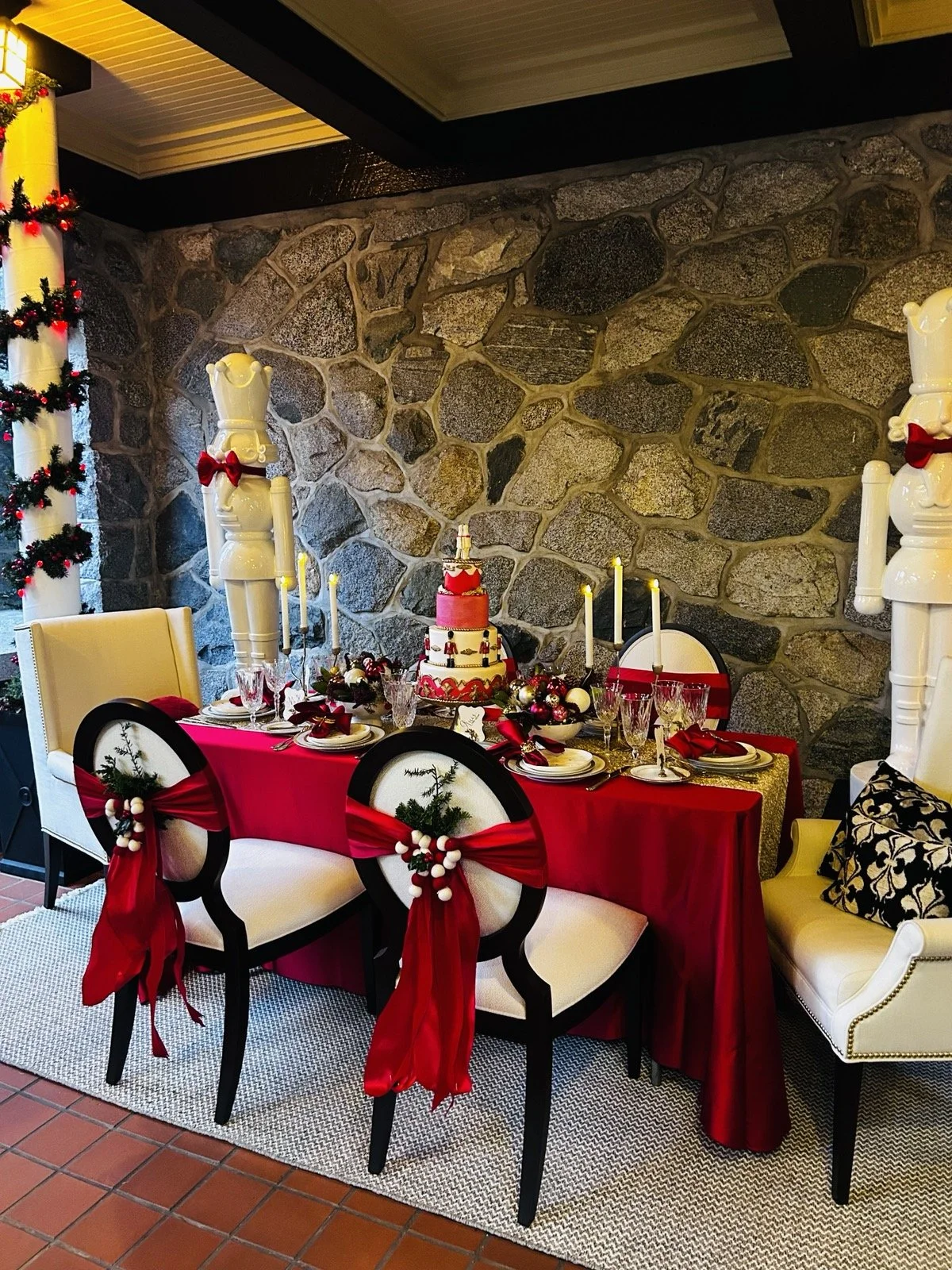
Read MoreA heritage estate overlooking the Pacific becomes a stage for extraordinary seasonal design. Reflections on Homes for the Holidays 2025 explore architecture, transformation, and layered storytelling.
Read MoreRenovation improves function through structural alignment, not surface upgrades. These 12 shifts define where homes either begin to support behavior or quietly resist it.
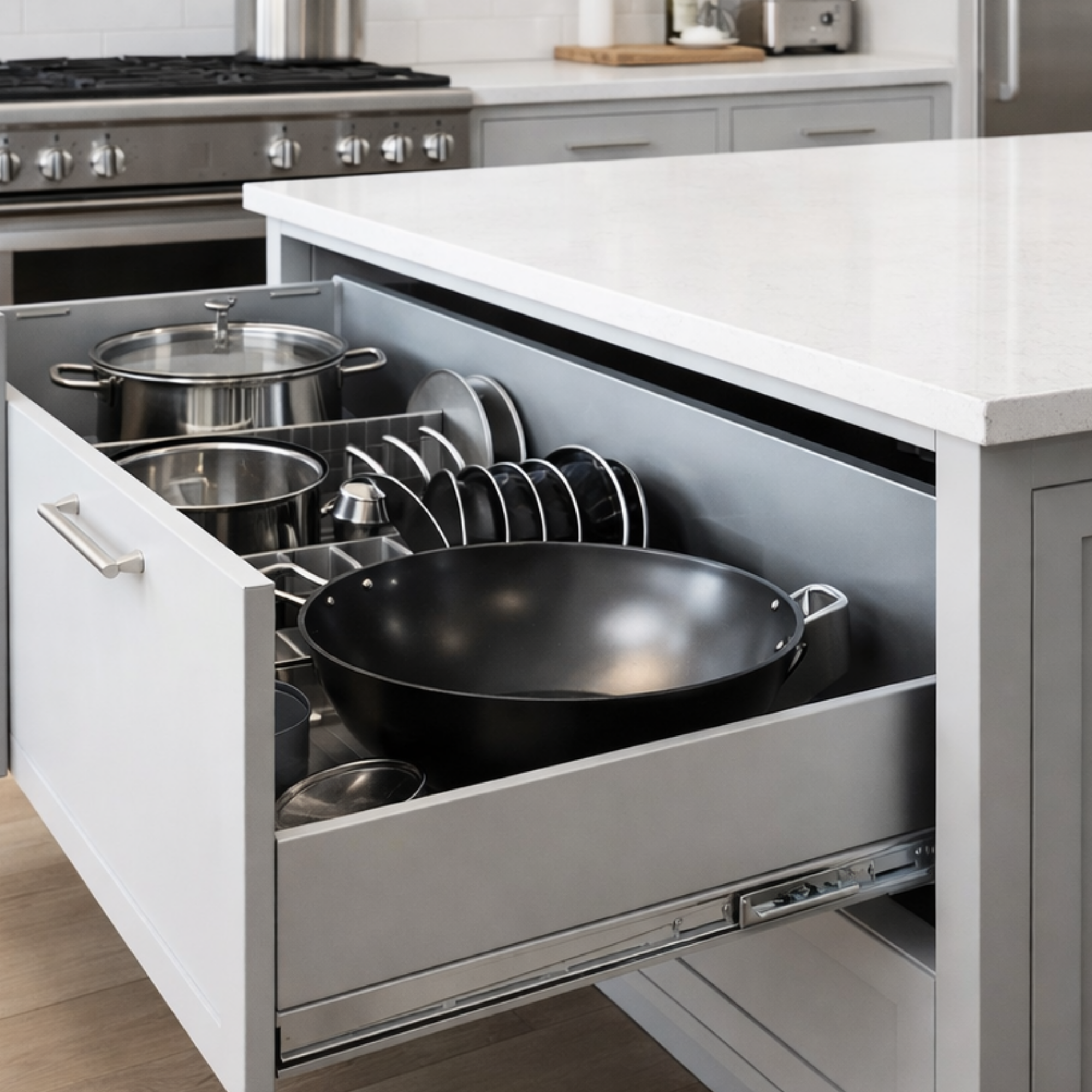
Read MoreWhen homeowners ask for deeper cabinets, they’re rarely asking about dimensions. They’re trying to reduce friction.
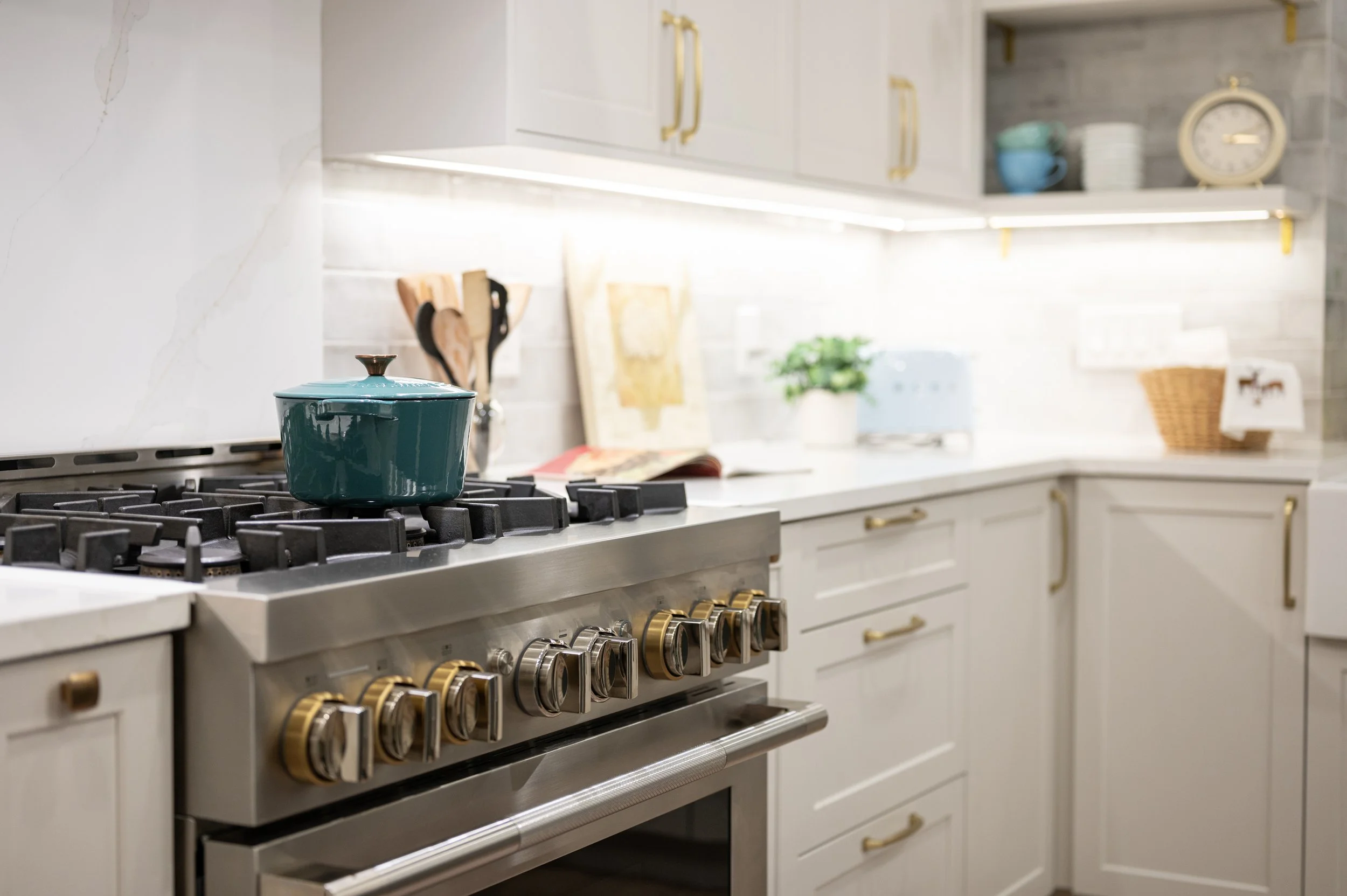
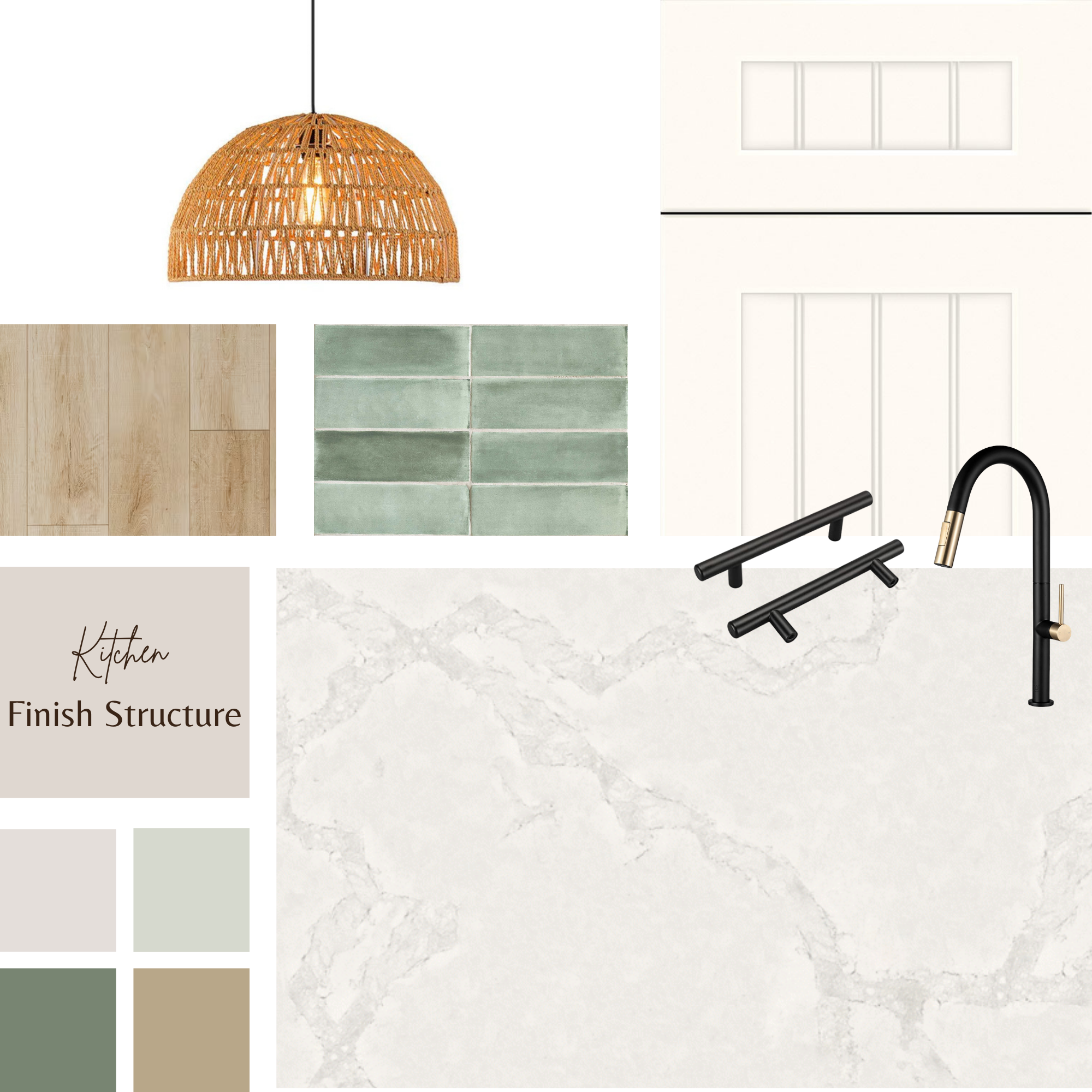
Read MoreMost kitchen mistakes are sequencing mistakes. Learn the right order for selecting finishes.
Read MoreMost renovations are driven less by finishes and more by unmet needs - clarity, function, comfort, and control.
Read More