
Reading a Product as a Design Decision
A brand storytelling sample that interprets design intent beyond aesthetics
A product is never just a product.
It is a compressed argument, a position taken, a decision made long before it enters a showroom, a trade fair, or a kitchen.
A faucet encodes assumptions about hand position, water pressure, cleaning ritual, and ergonomic reach. A cabinet system encodes assumptions about storage hierarchy. A tile size encodes assumptions about visual rhythm and labor tolerance.
Every manufactured object carries embedded design philosophy. When we select products purely on aesthetics, we reduce them to surface. When we interpret them, we uncover intention.
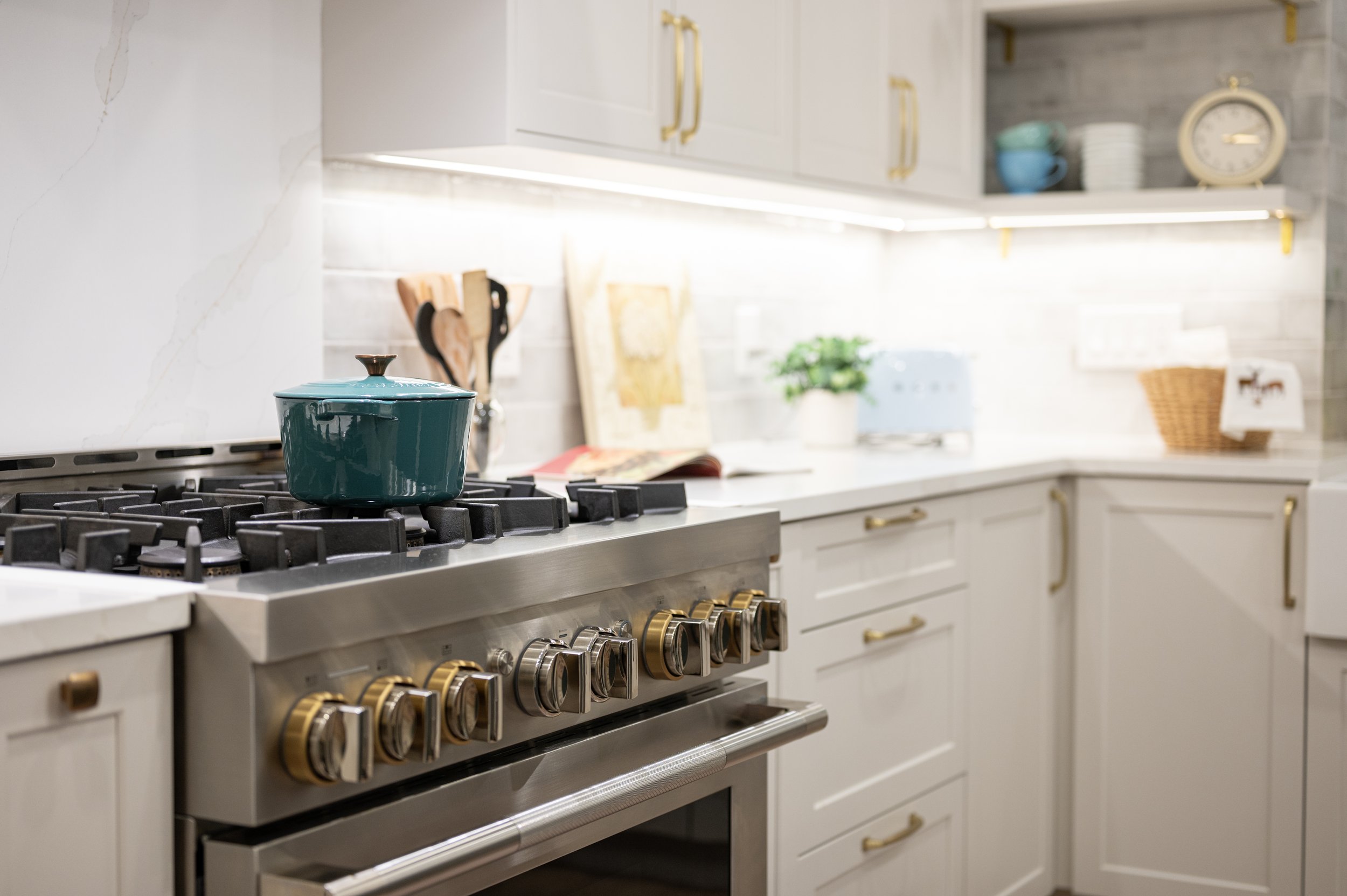
Most people read products visually. Designers always read them structurally & functionally.
When I encounter a piece of interior finish product, whether it is a faucet, a cabinet door profile, or a lighting fixture, I am not asking, Is this beautiful? I am asking:
What problem is this trying to solve?
What assumptions does it make about the user?
What lifestyle does it quietly endorse?
Why is the lever shaped this way or placed here?
Why is the material finished in this texture rather than another?
Why does this brand prioritize a modular look or a custom?
The Signal Beneath the Surface
Consider a matte black pull-down kitchen faucet. On the surface, it reads as modern, graphic, clean. But on closer inspection we ask:
Is the surface finish fingerprint-resistant, or is it purely aesthetic?
Is the spray mechanism engineered for daily, high-volume use, or occasional convenience?
Is the form proportioned for a compact urban kitchen, or a large family island?
A product reveals its priorities through material, proportion, tolerances, and ergonomics. The spout height tells you about splash management. The handle resistance tells you about internal cartridge quality. The weight of the pull-down head reveals the science behind the product design
Aesthetics is only the surface language, the functionality is the main language!

Picture showing Creston Faucet in Matte Black from Pearl Sinks
Design as a Position
When a brand introduces a slim shaker cabinet door with minimal rail detailing, it is not simply updating a classic. It is responding to cultural fatigue with ornamentation. It is adjusting to smaller footprints. It is acknowledging cost pressures in millwork production.
When a lighting manufacturer shifts from exposed Edison bulbs to integrated LED panels, it is not chasing trend, it is adapting to energy codes, maintenance realities, and long-term lifecycle expectations.
Products evolve because constraints evolve. The strongest brands are those whose design decisions align with:
Behavioral shifts
Regulatory frameworks
Installation realities
Maintenance cycles
Longevity expectations
This is where brand storytelling should live, in reasoning, best use and the growing change in needs.
Reading Between the Lines
A well-designed product communicates in layers:
Material Choice can be between Solid Wood versus Veneer, Powder-coated steel versus Plated metal. These are not aesthetic decisions alone. They reflect durability expectations, price positioning, and intended lifespan.
Joinery & Construction can be Visible Screws, Seamless Welds, Soft-close Mechanisms - each detail revealing manufacturing philosophy and targeting user needs.
Scale & Proportion can be Over Scaled Hardware in a busy city condo kitchen suggesting deliberate design feature suggesting contrast and disruption to create a focal point. Thoughtful proportioning signals contextual awareness.
Installation Logic can be questioning if the product simplifies installation for trades? Does it anticipate common site conditions? Considering ease of use for installers is a thoughtful design decision.
Beyond the Brochure
In marketing, the narrative often stays on the surface: Timeless. Elegant. Elevated. Refined. But a mature brand can articulate genuineness in thoughtful specific inquiries:
Why was this thickness chosen?
Why does his finish resist humidity?
Why does this configuration and method reduce service calls?
Why does this shape & form reduce visual clutter in small spaces?
When storytelling shifts from surface talking to thoughtful thinking, credibility increases. At that point, Homeowners feel safer, Designers feel understood & Builders feel their dilemmas have been given respectful consideration.
The Responsibility of Interpretation
Design professionals act as translators of a product and its use. They/We stand between product and project, reading intent, studying form and assessing fit.
A faucet engineered for hospitality-grade usage may be excessive in a lightly used secondary suite. A delicate unlacquered brass finish may conflict with a client’s maintenance tolerance. Choosing a product is not a random act with just style in mind. It is a thoughtful decision that takes into account factors discovered already in the client discussions and needs assessment.
Choosing a product a right or a wrong one can affects plumbing rough-ins, cabinetry clearances, electrical load, budget allocation, cleaning protocols, and replacement cycles.
Hence a a product decision becomes a ripple=affect, whose consequences can be far-reaching!
What This Means for Brands
If a brand wants to build authority rather than attention, it must reveal its thinking. It has to explain the constraints, describe the trade-offs, show the testing, articulate the user scenario.
Design professionals do not need more adjectives & description! They need rationale.
When a brand invites Designers into the decision-making process, it elevates the conversation. It moves from selling an object to sharing a framework which in return builds trust!
Reading as Practice
To read a product well we need to look at facts and think how it is going to work. We require stepping past mood boards and asking structural questions.
What lifespan does this product anticipate?
What friction does it reduce?
What maintenance does it demand?
What environments will it fail in?
When we begin to read products this way, we stop being impressed by surface novelty and start evaluating alignment which sustains good design.
A product is a quiet story
- A thesis built out of reasoning, functionality, decisions and adaptability. If we learn to read products properly and thoughtfully, we begin to see the decisions that shaped it long before it reached the shelf.
That is where real design, design products and its story lives.
You may also like
Enhancing Function Through Renovation: 12 Structural Shifts →
Why People Renovate: The Outcomes They’re Actually Chasing →
Why Interior Design Needs Better Storytelling →