
Why People Renovate: The Outcomes They’re Actually Chasing
Most homeowners don’t decide to renovate because they want new cabinets or better tiles. They decide because something in their home has stopped supporting how they live.
Renovation decisions usually arrive quietly - through daily friction, unfinished routines, or spaces that no longer align with the people using them. The surface changes come later. The real drivers are deeper.
Over years of working with homeowners, I’ve noticed the same motivations appear again and again. They are rarely about style. They are about outcomes - how life needs to work better after the renovation is complete.
Outcome 1 — Regaining Daily Function
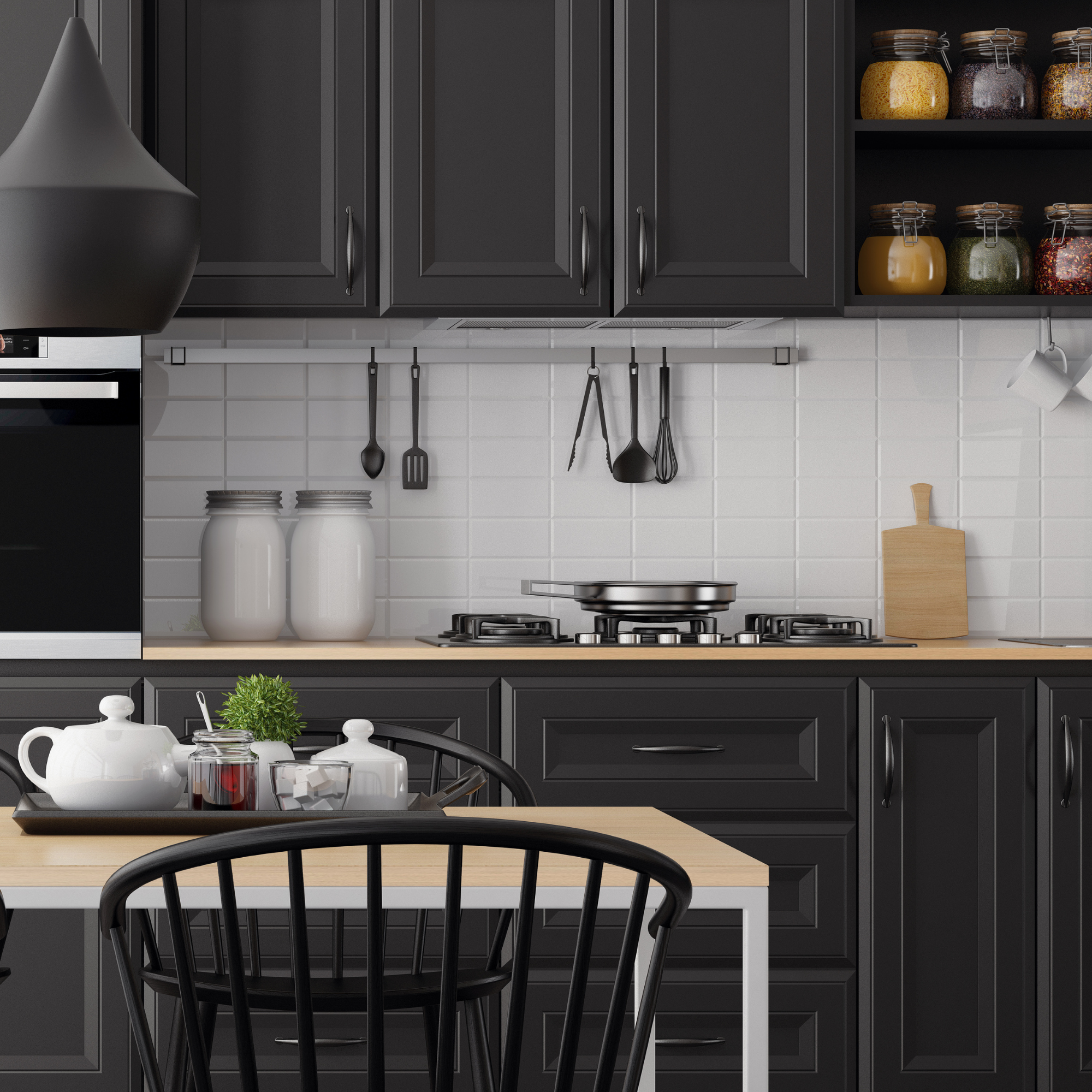
Most homes stop functioning long before they look outdated. Circulation paths no longer align with how people move through the space, storage is misplaced, and daily tasks require unnecessary effort. What once worked becomes quietly inefficient.
Renovation restores function not by adding more, but by re-sequencing how spaces support everyday behavior - cooking, gathering, working, resting. When layout decisions respond to real routines rather than generic plans, friction drops. The home becomes easier to use, not just nicer to look at.
Outcome 2 — Increasing Physical & Emotional Comfort
Comfort in a home is often misread as softness or luxury, when in reality it is structural. Temperature imbalance, poor lighting, excessive noise, or rigid layouts quietly wear on the people living there. Over time, discomfort becomes normalized.
Renovation addresses comfort by correcting the underlying conditions that make spaces hard to inhabit - uneven heating, lack of daylight, inadequate ventilation, or rooms that feel either too exposed or too enclosed. When comfort improves, people linger longer, rest better, and experience less daily friction. The home begins to support emotional ease, not just physical use.
Outcome 3 — Improving Energy Performance
Energy inefficiency rarely announces itself visually. It shows up instead through rising utility costs, inconsistent indoor temperatures, and systems that struggle to keep up with daily demands. Many older homes operate at a disadvantage long before homeowners realize it.
Renovation creates an opportunity to improve how a home manages energy - through insulation, better windows and doors, updated systems, and more thoughtful control of airflow. These changes are often invisible once complete, but their impact is constant. A home that performs well feels more stable, predictable, and economical over time.
Outcome 4 — Enhancing Safety & Peace of Mind
Safety upgrades are usually prompted by awareness rather than aesthetics. Outdated systems, inadequate ventilation, poor lighting, or unclear circulation paths introduce risks that homeowners often live with until renovation makes intervention unavoidable.
By addressing safety during a renovation, uncertainty is reduced. Clearer pathways, improved systems, and better environmental controls allow occupants to move through their home with confidence. Peace of mind isn’t a decorative feature - it’s a condition created when a home no longer demands constant vigilance.
Outcome 5 — Supporting Long-Term Value
Some renovations are undertaken with resale in mind, others for long-term occupancy. In both cases, value is shaped by strategic thinking rather than surface upgrades. Not all improvements carry equal weight, and not all spending translates into return.
Renovation supports long-term value when investment is directed toward spaces and systems that matter most - kitchens, bathrooms, core infrastructure, and layout clarity. Whether measured financially or functionally, value increases when a home is easier to understand, maintain, and adapt to future needs.
Outcome 6 — Personalizing the Home to Its People
Most homes are designed for a hypothetical occupant. Real households rarely live that way. Over time, misalignment appears, spaces don’t support habits, interests, or routines, and the home begins to feel generic rather than responsive.
Renovation allows a home to be recalibrated around the people who actually live there. Personalization is not about excess or trend-driven features; it is about alignment. When spaces reflect how occupants cook, gather, work, and relax, the home feels intentional instead of improvised.
Outcome 7 — Improving Health & Well-Being
Health within the home is shaped by conditions that are easy to overlook: air quality, moisture control, material choices, and exposure to natural light. These factors accumulate quietly, influencing sleep, allergies, and overall comfort.
Renovation provides the opportunity to improve indoor environments in ways that support long-term well-being. Better ventilation, healthier materials, and more balanced light create spaces that feel restorative rather than taxing. Over time, the home becomes a place that supports physical health, not one that works against it.
Insights
When these outcomes aren’t clarified early, renovation decisions default to surface choices. Materials are selected before intent is defined, and layouts are adjusted without understanding what they need to support. Clarity around outcomes doesn’t limit creativity; it prevents wasted effort and unresolved results.